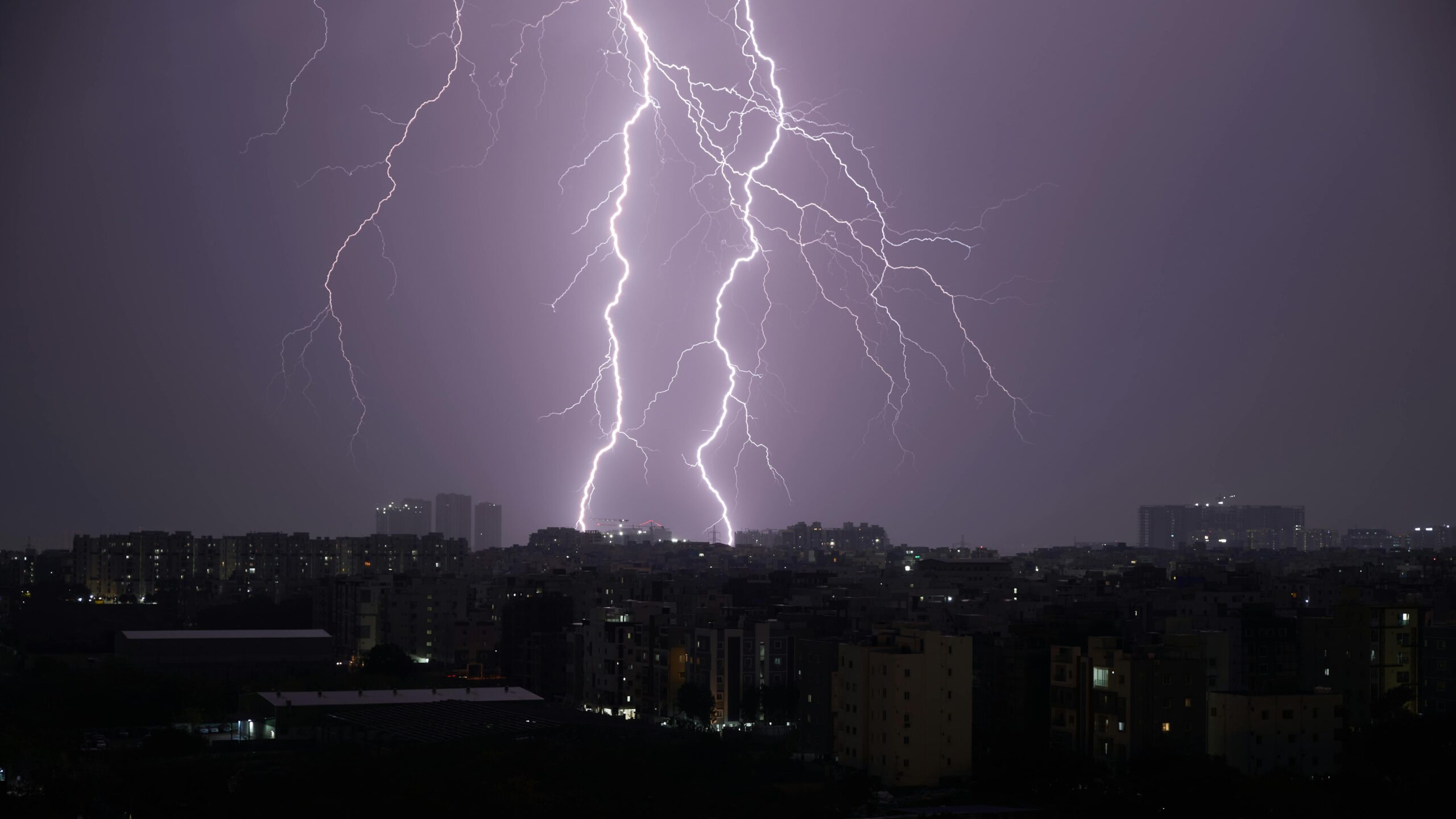

A SpaceX Starship prototype, Ship 36, exploded in a dramatic fireball during a static fire test late Tuesday night at the company’s Starbase testing facility in Texas. The powerful blast lit up the sky and sent shockwaves across the area, but no injuries were reported.
The incident occurred around 11:00 p.m. local time (9:30 a.m. IST, June 19) during a routine engine test. The Starship was undergoing a static fire — a critical pre-flight procedure where engines are fired while the vehicle remains anchored to the launch pad. Moments after ignition, the rocket was engulfed in flames and exploded, shaking nearby buildings and triggering emergency alarms.
SpaceX confirmed that a “major anomaly” had occurred and stated that all personnel were safe and accounted for. The company has not yet provided detailed technical reasons for the failure but is expected to release findings following an internal investigation.
This marks the latest setback for SpaceX’s ambitious Starship program, which is intended to transport cargo and humans to the Moon, Mars, and beyond. The explosion of Ship 36 is likely to delay the upcoming Starship test flight, originally scheduled for the end of June.
Live footage of the explosion quickly circulated on social media, sparking widespread attention and concern. Elon Musk, CEO of SpaceX, has not made a public statement yet but is known for embracing test failures as part of the company’s rapid development model.
Despite this high-profile failure, SpaceX has continued to push boundaries in rocket technology, with multiple successful orbital tests already under its belt. However, critics argue that the frequency of such explosive tests highlights ongoing safety and reliability challenges.
The Federal Aviation Administration (FAA) is expected to oversee the investigation into the incident and any potential implications for future flight approvals.