Oxford, UK – Scientists at the University of Oxford have launched a pioneering vaccine trial against the Nipah virus, a lethal pathogen with a fatality rate of up to 75%. This significant step marks the first-ever human trial for a vaccine against the Nipah virus, named ChAdOx1 NipahB. The initiative, led by the Oxford Vaccine Group, involves 51 participants aged between 18 to 55 years, aiming to combat a virus that has haunted parts of Asia for over two decades.
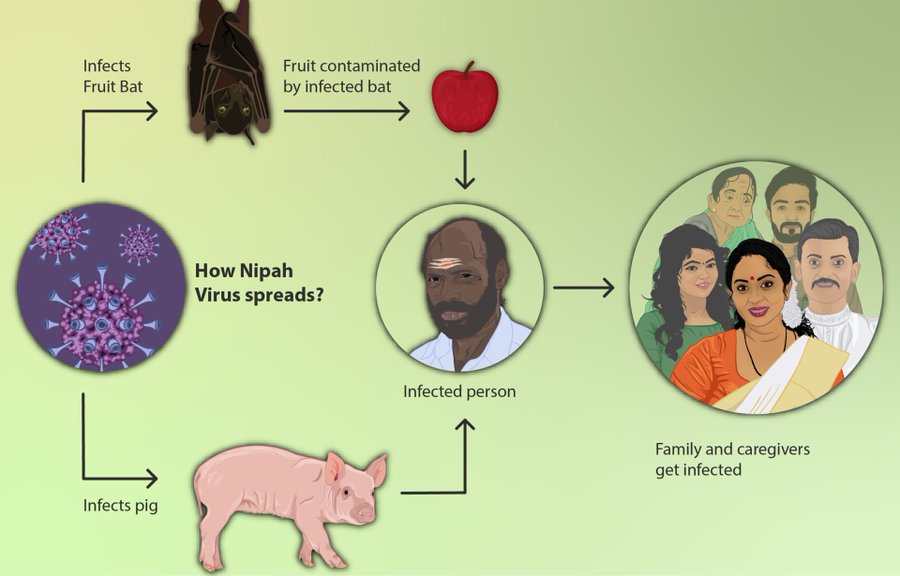
The Nipah virus, first identified in a Malaysian village in 1998, poses a significant threat to human health, with outbreaks causing severe respiratory illness and fatal encephalitis. Originating from fruit bats and spreading to humans through contaminated food or direct contact, the virus has a case fatality rate ranging from 40% to 75%, varying by outbreak severity and local healthcare response capabilities.
With symptoms manifesting between 4 to 14 days post-exposure, the initial phase includes fever, headache, cough, sore throat, and difficulty breathing, potentially escalating to severe neurological symptoms such as disorientation, seizures, and coma due to brain swelling (encephalitis).
Despite the virus being identified over 25 years ago, there are currently no approved treatments or vaccines available, making this trial a critical milestone in Nipah virus research. The World Health Organization has classified the Nipah virus as a priority disease needing urgent research due to its potential for causing a pandemic.
This trial’s commencement comes in the wake of two reported cases and deaths in Bangladesh this January, underscoring the ongoing risk the virus poses and the urgent need for effective preventive measures.
The ChAdOx1 NipahB vaccine utilizes a replication-deficient simian adenovirus vector, a technology similar to that used in the successful Oxford-AstraZeneca COVID-19 vaccine, which has been widely administered globally. This vector has been modified to express a glycoprotein from the Nipah virus, aiming to stimulate a protective immune response without causing the disease itself.
The international community watches closely as these trials progress, hopeful for a breakthrough against the Nipah virus. An effective vaccine would not only save lives but also significantly reduce the burden on healthcare systems in affected regions.