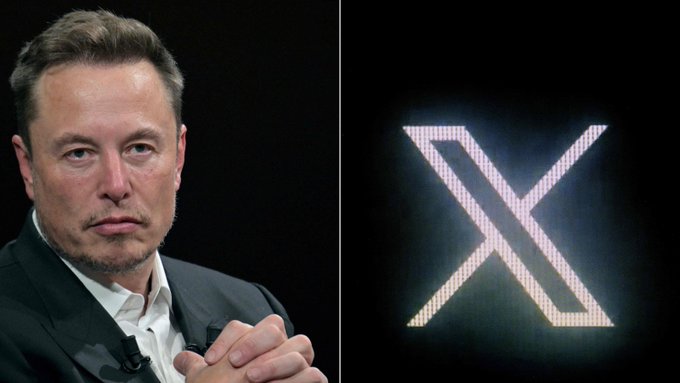
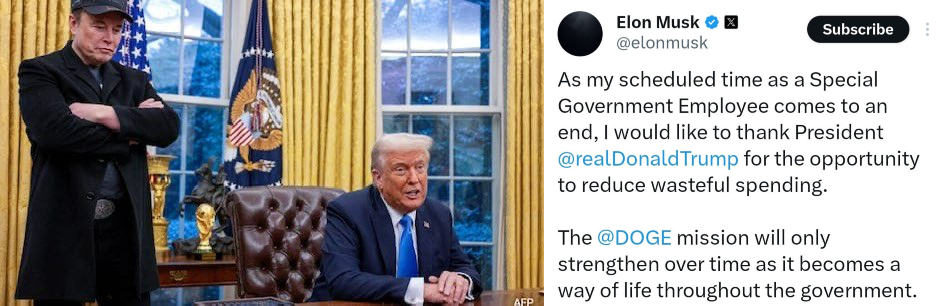
In a surprise development, Tesla and SpaceX CEO Elon Musk has stepped down from his role in the Trump administration, where he served as the head of the Department of Government Efficiency (DOGE). Musk announced his resignation on his social media platform, X, stating that his term as a special government official has concluded.
The White House confirmed Musk’s departure, which comes amid rising tensions over the recently passed “One Big Beautiful Bill Act”—a sweeping tax and spending measure that Musk publicly criticized. In his X post, Musk noted that the bill “contradicts the very mission of DOGE,” which was formed to streamline government operations and reduce federal waste.
Appointed shortly after Donald Trump returned to office, Musk’s tenure at DOGE was characterized by aggressive cost-cutting measures and an emphasis on private-sector efficiency models applied to federal agencies. His leadership saw numerous reforms, including digitization initiatives, department consolidations, and controversial workforce reductions.
While Trump praised Musk’s “bold vision” at the time of the appointment, sources inside the administration noted increasing friction between Musk’s policy suggestions and the broader fiscal strategy adopted by the president and Congress.
Musk’s decision to leave also follows a tumultuous period for his business empire. Tesla has faced declining market performance in recent months, which analysts partly attribute to Musk’s growing political entanglements. With his exit from Washington, Musk is reportedly planning to “refocus on core innovation goals” at Tesla, SpaceX, and his other ventures including Neuralink and X.AI.
Political observers view Musk’s departure as a significant moment in the Trump administration’s second term, signaling both the limits of private-sector involvement in public governance and the ongoing volatility of tech titans in Washington.
As the DOGE department looks for a new head, the administration has yet to announce a successor.