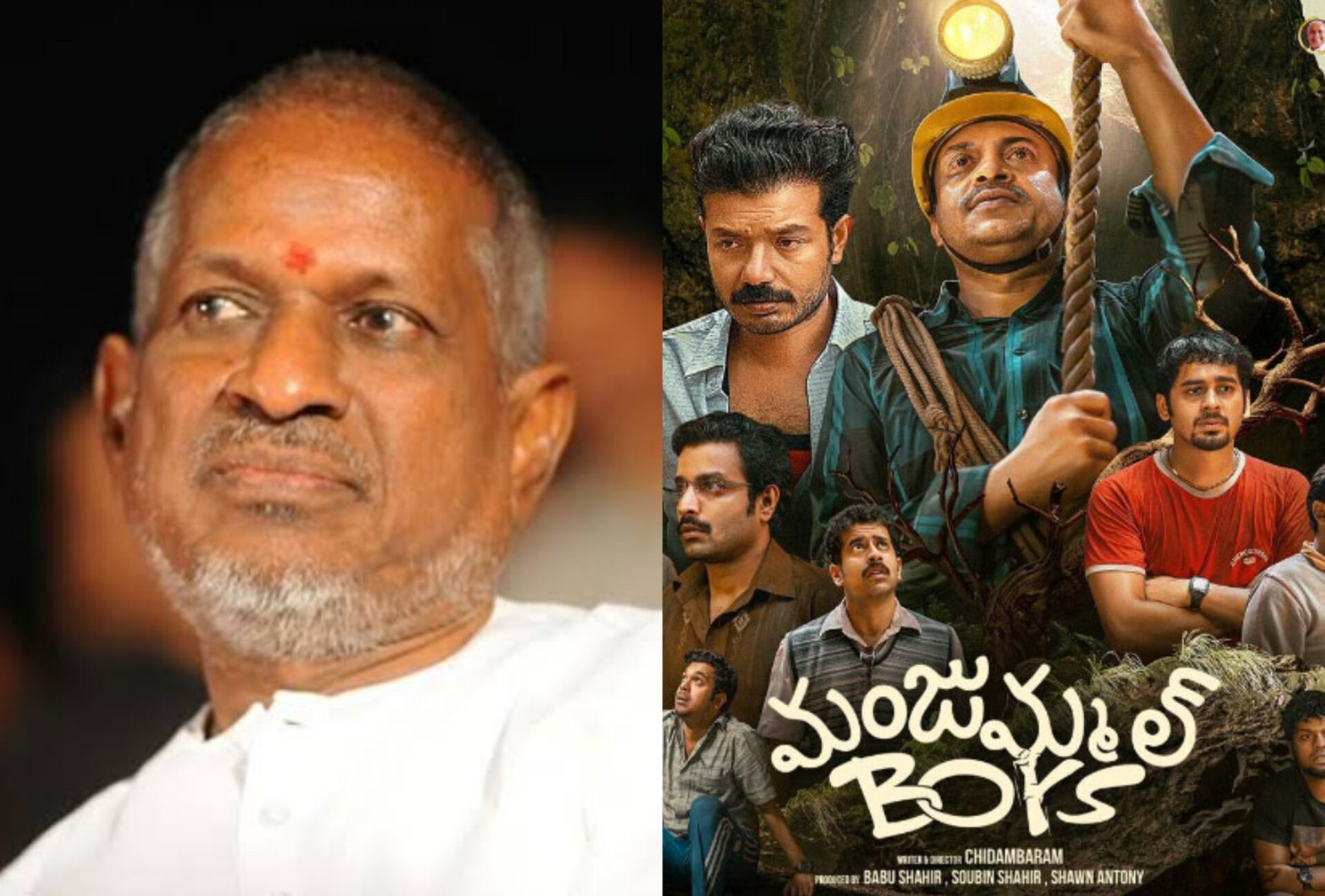
Renowned music director Ilaiyaraaja has sent a legal notice to the team behind the film “Manjummel Boys” for the unauthorized use of his iconic song “Kanmani Anbodu Kadhalan.” The track, which originally featured in the 1990 Tamil film “Gunaa,” has been widely acclaimed and remains a beloved piece in Ilaiyaraaja’s extensive repertoire.
The notice, sent earlier this week, alleges that the makers of “Manjummel Boys” utilized the song in their film without obtaining the necessary permissions or licenses from the composer. Ilaiyaraaja, known for his strict stance on intellectual property rights, has consistently advocated for the protection of artistic creations and the need for proper licensing agreements in the use of his works.
In a statement, Ilaiyaraaja emphasized the importance of respecting the rights of creators. “Music is not just a business; it is an art that requires years of dedication and hard work. Unauthorized use of my compositions undermines the efforts and rights of artists. I urge everyone in the industry to honor these rights and follow the proper channels for usage,” he said.
The legal notice demands that the “Manjummel Boys” team immediately cease the use of the song and provide an explanation for the infringement. Additionally, it seeks compensation for the unauthorized usage, the amount of which has not been disclosed. Failure to comply with the notice could result in further legal action.
The “Manjummel Boys” team has yet to release an official statement regarding the notice. Industry insiders speculate that this incident could lead to broader discussions about copyright enforcement and the protection of intellectual property within the Indian film industry.
Ilaiyaraaja, often referred to as “Isaignani” (The Musical Genius), has composed music for over 1,000 films across various Indian languages and has won numerous awards for his contributions to cinema. His stance on this issue underscores his commitment to safeguarding the rights of composers and ensuring that their work is respected and fairly compensated.
As the situation unfolds, the industry will be watching closely to see how this legal dispute is resolved and what implications it may have for future use of musical compositions in films.