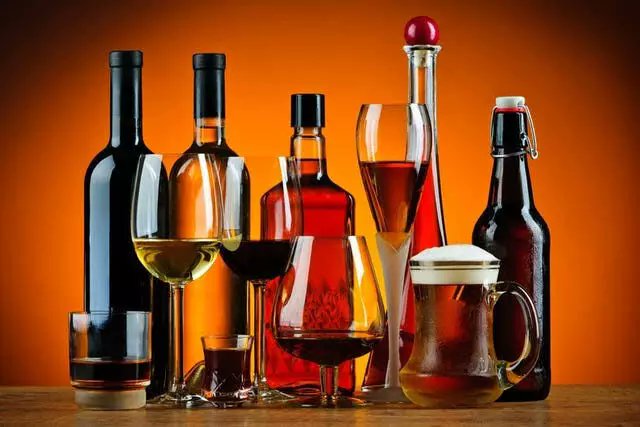
The Confederation of Indian Alcoholic Beverage Companies (CIABC) has formally appealed to the Telangana government to approve a hike in supply prices of alcoholic beverages. This move comes in response to a sharp rise in production costs and an absence of a structured annual price revision mechanism.
According to CIABC Director General Anant S. Iyer, the cost of essential inputs such as Extra Neutral Alcohol (ENA), malt spirit, packaging materials, labor, and logistics has increased substantially since the last price adjustment in May 2023. Despite these challenges, alcoholic beverage manufacturers have continued uninterrupted supply to the state, absorbing these escalating costs without relief.
The industry body is now urging the state to allow a ₹100–₹200 per case increase for Indian Made Foreign Liquor (IMFL) and a 5% price hike for wine. It also proposes implementing a Wholesale Price Index (WPI)-linked model for systematic, inflation-based price adjustments — a move that would provide financial stability to manufacturers facing long-term cost pressures.
CIABC also expressed concern over the revenue-sharing structure in Telangana’s alcohol sector. Currently, the state government retains over 70% of the Maximum Retail Price (MRP) from alcoholic beverage sales, while manufacturers receive only 12–15% and retailers around 15–18%. This imbalance, they say, leaves manufacturers with insufficient margins to manage rising costs.
Adding to the financial strain, CIABC has urged the government to clear pending dues amounting to ₹3,100 crore, which have surpassed the agreed-upon 45-day credit period. The delay has accrued an additional ₹325 crore in interest costs for companies awaiting payment.
While the Telangana government previously approved a 15% price hike for beer following a similar appeal by the Brewers Association of India, no corresponding adjustment has been made for spirits or wines.
The CIABC’s appeal aims to ensure the sustainability of the industry, warning that without timely intervention, the sector’s operational viability and continued supply could be at risk.
As of now, the Telangana government has not officially responded to CIABC’s request.