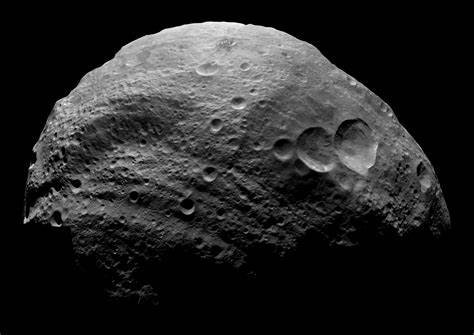
A groundbreaking study by researchers at Michigan State University (MSU) has challenged long-held beliefs about Vesta, the second-largest object in the asteroid belt. According to the new research, Vesta may not be a protoplanet as previously thought, but rather a fragment from a much older, long-lost planetary body that once existed in our early solar system.
The study, published in Nature Astronomy, used isotopic analysis and computer simulations to compare meteorites from Vesta with other planetary materials. The findings revealed that Vesta’s composition is not unique to a forming planet, but more consistent with a remnant of a differentiated, mature world—a planet that may have been destroyed in a massive collision during the early chaotic days of the solar system.
“We’re looking at cosmic archaeology,” said Dr. David Minton, one of the lead researchers from MSU. “The asteroid belt may be a graveyard of early solar system worlds that didn’t survive the planetary formation process.”
This revelation adds to growing evidence that the asteroid belt holds clues to multiple ancient planetary bodies that once orbited the Sun. Scientists now believe Vesta may have originated from a fully formed planet that was later shattered, leaving behind pieces like the HED meteorites (howardites, eucrites, and diogenites), which often make their way to Earth.
The discovery not only rewrites the story of Vesta but also offers deeper insight into the violent history of the solar system and how planets like Earth came to be.