
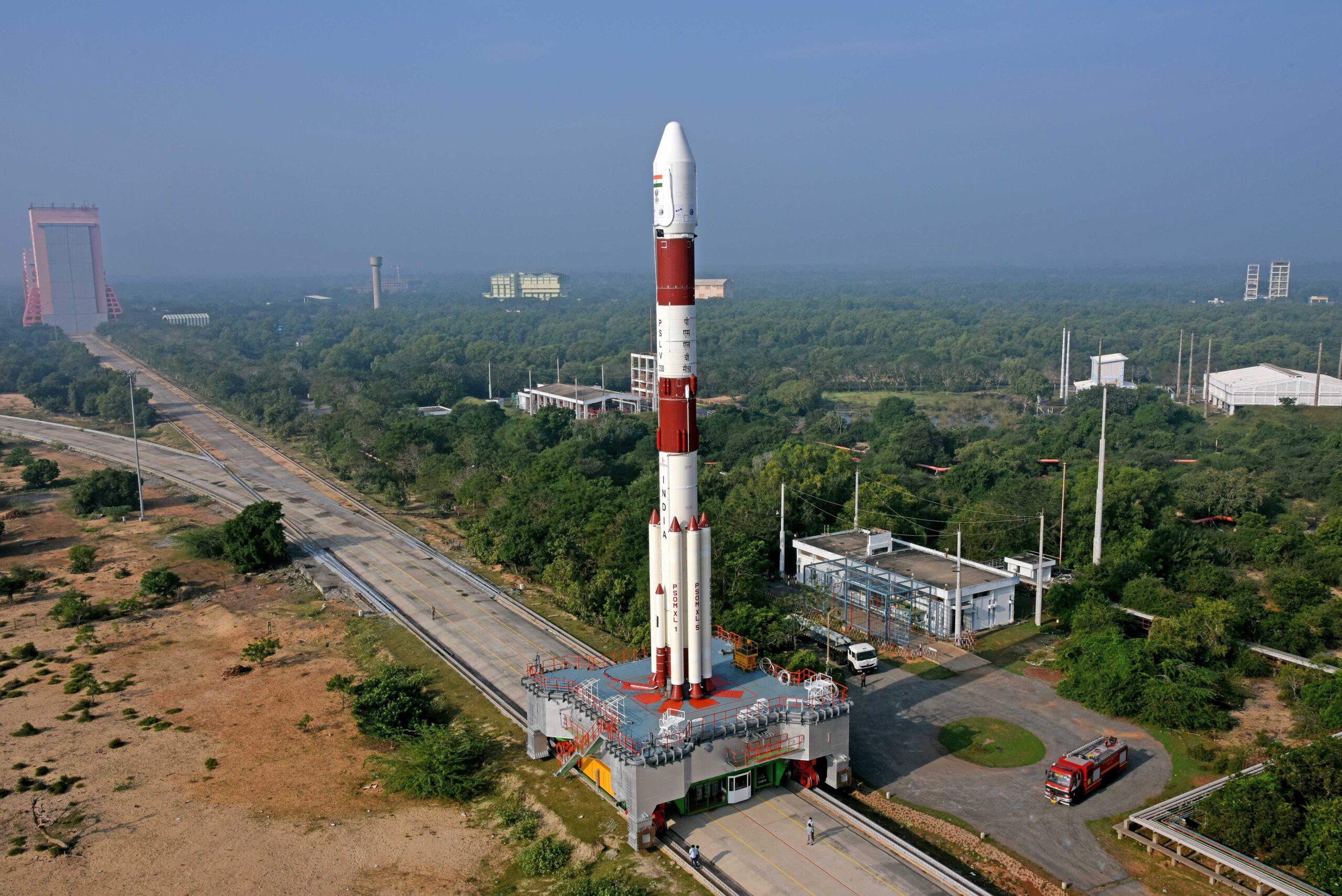
India’s space agency ISRO recently faced a rare setback with a partial failure of its trusted Polar Satellite Launch Vehicle (PSLV), a rocket that has been the backbone of the country’s space missions for over three decades. Despite the incident, experts and officials alike remain confident that ISRO will soon bounce back and resume its strong track record.
The PSLV, known for its remarkable 93.7% success rate, has launched more than 50 missions since its inception, including critical satellites for communication, navigation, and earth observation. This reliability has made it a favorite not only for Indian missions but also for international satellite launches.
According to ISRO officials, the recent failure was caused by an anomaly during the flight, which led to the loss of the satellite’s intended orbit. A detailed investigation is underway to identify the exact cause and prevent any future recurrence.
“Setbacks are a part of any ambitious space program,” said an ISRO spokesperson. “Our scientists and engineers are already working diligently to analyze the issue and get the PSLV ready for its next launch.”
The agency’s resilience is bolstered by a strong legacy of successful missions and ongoing projects, including the upcoming Gaganyaan crewed mission and various interplanetary explorations.
Space analysts note that even top space agencies worldwide experience occasional launch failures, but the key lies in learning quickly and improving continuously—a strength ISRO has consistently demonstrated.
The PSLV’s next mission is expected to lift off within months, signaling a swift return to form for India’s space program.