
In a dramatic escalation of hostilities between India and Pakistan, the Indian Army launched a series of precision strikes on several air defense radars and systems across Pakistan. This action, carried out as part of India’s response to multiple attacks from Pakistan-backed forces, comes amid an already volatile security situation in the region.
According to official sources, the Indian Armed Forces successfully neutralized key air defense systems in multiple locations, including Lahore, with the aim of disrupting Pakistan’s defense capabilities. The operation, which reportedly took place early in the morning on May 8, was carried out with “the same domain and intensity” as Pakistan’s initial military action against Indian installations. Colonel Sofiya Qureshi, a senior officer in India’s armed forces, confirmed that air defense systems at Lahore had been neutralized as part of the counterstrike.
The military exchanges have come at a tragic cost to civilian life. Wing Commander Vyomika Singh confirmed that 16 innocent Indians were killed in Pakistani artillery shelling in the Poonch district of Jammu and Kashmir. Among the deceased were three women and five children, a sobering reminder of the human toll of these escalating military operations. The civilian casualties, which occurred when Pakistani forces fired shells across the international border, have sparked outrage in India, further stoking the already heightened tensions between the two countries.
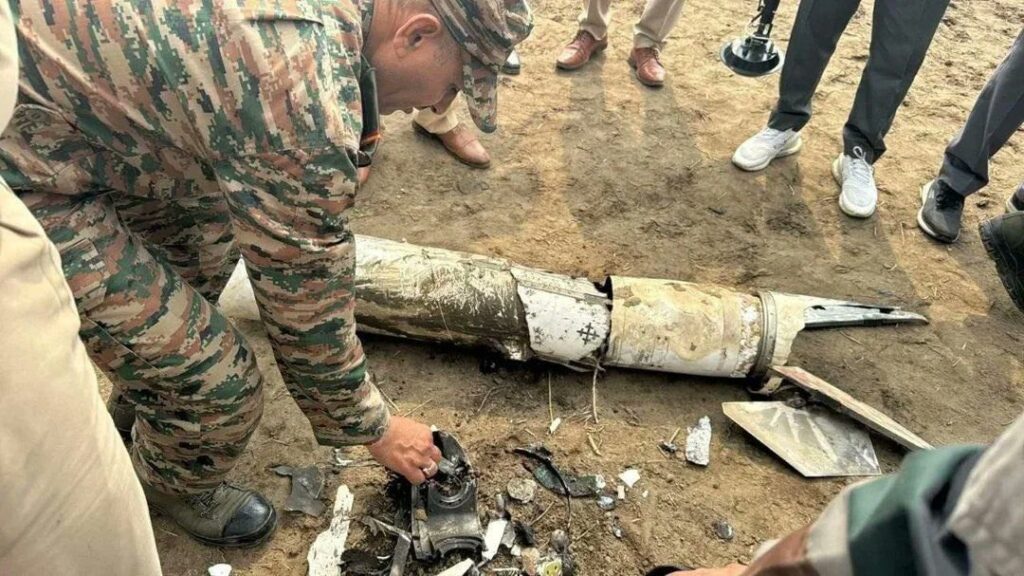
India’s Ministry of Defense expressed condolences for the loss of innocent lives while reiterating that Pakistan’s support for terrorist activities in Indian-administered Kashmir was the primary driver of the ongoing conflict. In response to the attack, India launched a retaliatory strike on Pakistan’s strategic positions, intensifying the cycle of violence between the nuclear-armed neighbors.
The recent escalation has seen both nations exchange artillery fire and airstrikes over the past week, with both sides accusing each other of provocations. While India has focused its retaliation on military targets, including air defense radars and missile sites, Pakistan’s response has primarily targeted civilian areas near the Line of Control (LoC).
The growing civilian casualties in these border skirmishes have led to calls for international mediation. The United Nations and other world bodies have urged both nations to de-escalate and avoid a full-scale war, warning that further violence could spiral out of control.
The international community has been quick to condemn the rising violence and urge for restraint on both sides. Several global powers, including the United States, China, and Russia, have called for an immediate halt to the hostilities and urged India and Pakistan to return to diplomatic talks to resolve their differences peacefully.
As India continues to deal with the fallout from the recent attacks, there are growing fears that the situation could deteriorate further, with both nations seemingly locked in a dangerous cycle of retaliation and counter-retaliation. In the meantime, India’s Defense Ministry has pledged to continue its operations to protect its borders and ensure the safety of its citizens, while Pakistan has vowed to retaliate against any further violations of its sovereignty.
The situation remains tense, and many are watching closely to see if diplomatic channels can be reopened before the situation spirals further out of control.